

0



I am ready for a long road flight for work with a week- or months-long projects.
Plus-Size Swimsuit Guide: How to Choose a Flattering, Comfortable Swimsuit for Your Body
- Start With Your Body Shape
- Pay Attention to Fabric and Construction
- Necklines, Straps, and Coverage
- Use Color and Print Strategically
- Pick the Style That Matches Your Life, Not Just the Trend
- Get the Fit Right
- The Rise of Smart Swimwear
- Remember: Confidence Is Part of the Fit
Shopping for a swimsuit can feel like a mission, especially when most racks are still built around a narrow idea of what a "beach body" looks like. But finding a swimsuit that fits well, feels secure, and actually makes you excited to hit the water isn't about luck — it's about knowing what to look for. This guide walks through the practical details, from fabric to fit to the newest fabric technology, so you can shop with confidence instead of guesswork.
Start With Your Body Shape
Before you even open a shopping tab, take a minute to think about your proportions. Are you carrying more weight around your midsection, hips, bust, or evenly throughout? This isn't about "fixing" anything — it's about knowing which design details will work with your shape rather than against it.
- Apple shapes (fuller midsection) often do well in suits with ruching or shirring across the stomach, and high-waisted bottoms that smooth the tummy line.
- Pear shapes (fuller hips and thighs) can benefit from a bit more detail or color up top — a printed or ruffled bodice — paired with a simpler, darker bottom.
- Hourglass shapes usually look great in suits that follow the natural waistline, like wrap styles or belted one-pieces.
- Fuller bust calls for wide, adjustable straps, underwire, or molded cups for real support, not just a triangle top stretched to size.
Pay Attention to Fabric and Construction

The fabric is where a swimsuit either earns its price tag or falls apart after two beach trips. A few things worth checking:
- Thickness and texture. Ribbed knits, matte finishes, and thicker blends hold their shape better than thin, shiny fabric, and they won't cling to every curve the way flimsier materials do.
- Power mesh lining. This is the quiet workhorse behind good tummy control — a layer of structured mesh sewn behind the front panel that smooths without feeling like a corset.
- Compression vs. shirring. Ruching (gathered fabric) draws the eye and adds a bit of give; true compression fabric works more like shapewear. Many well-made suits combine both.
- Chlorine and salt resistance. If you'll be swimming laps or spending a lot of time in the water, look for fabric described as chlorine-resistant so it doesn't fade or lose elasticity after a few washes.
Necklines, Straps, and Coverage
Small structural choices make a big difference in how a swimsuit performs over the course of a day at the pool:
- Wide, adjustable straps distribute weight across the shoulders instead of digging in — especially important for a fuller bust.
- Underwire or molded cups offer support without needing a bra underneath.
- High-waisted bottoms provide more tummy coverage and tend to stay put better than low-rise cuts.
- Adjustable side ties let you fine-tune the fit around the hips rather than being locked into one size.



Use Color and Print Strategically
Color and pattern aren't just decoration — they're one of the simplest tools for shaping how a silhouette reads.
- Darker, receding shades like black, navy, deep brown, or olive create a naturally slimming effect.
- Vertical lines or strategic color-blocking can elongate the frame.
- Bold prints or bright colors work beautifully when placed where you want attention — a patterned top with a solid bottom, for example.
Pick the Style That Matches Your Life, Not Just the Trend
There's no single "best" plus-size swimsuit style — the right one depends on how you'll actually use it.
- One-piece suits with power mesh, wide straps, and molded cups offer the most built-in support and are a solid choice for swimming or active days.
- Tankinis are great for mixing and matching sizes — buy the top for your bust size and the bottom for your hip size, rather than being locked into one number.
- High-waisted bikinis with structured panels give a lot of the coverage of a one-piece with more flexibility in styling.
- Swim dresses are an easy, breezy option if you want extra coverage without sacrificing style.
Get the Fit Right
Fit matters more than the number on the tag. A few practical tips:
- Measure yourself and check the brand's specific size chart rather than assuming your usual size will match across brands.
- Size up for more coverage under the arms and between the thighs; size down slightly if you prefer more compression.
- When in doubt, size up. A suit that's too tight will create bulges and dig in, while a properly sized suit that runs slightly roomy can be adjusted with ties or straps.
- Try it on whenever possible, and move around — sit, stretch, raise your arms — to see how it holds up beyond a static mirror check.
The Rise of Smart Swimwear

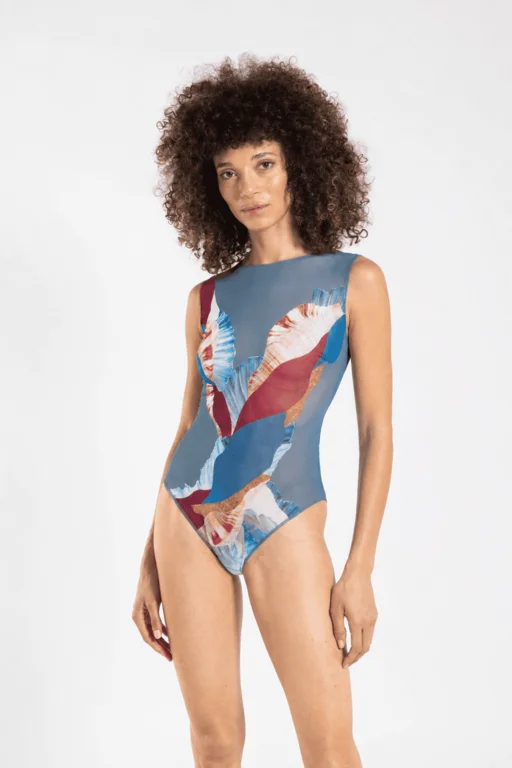
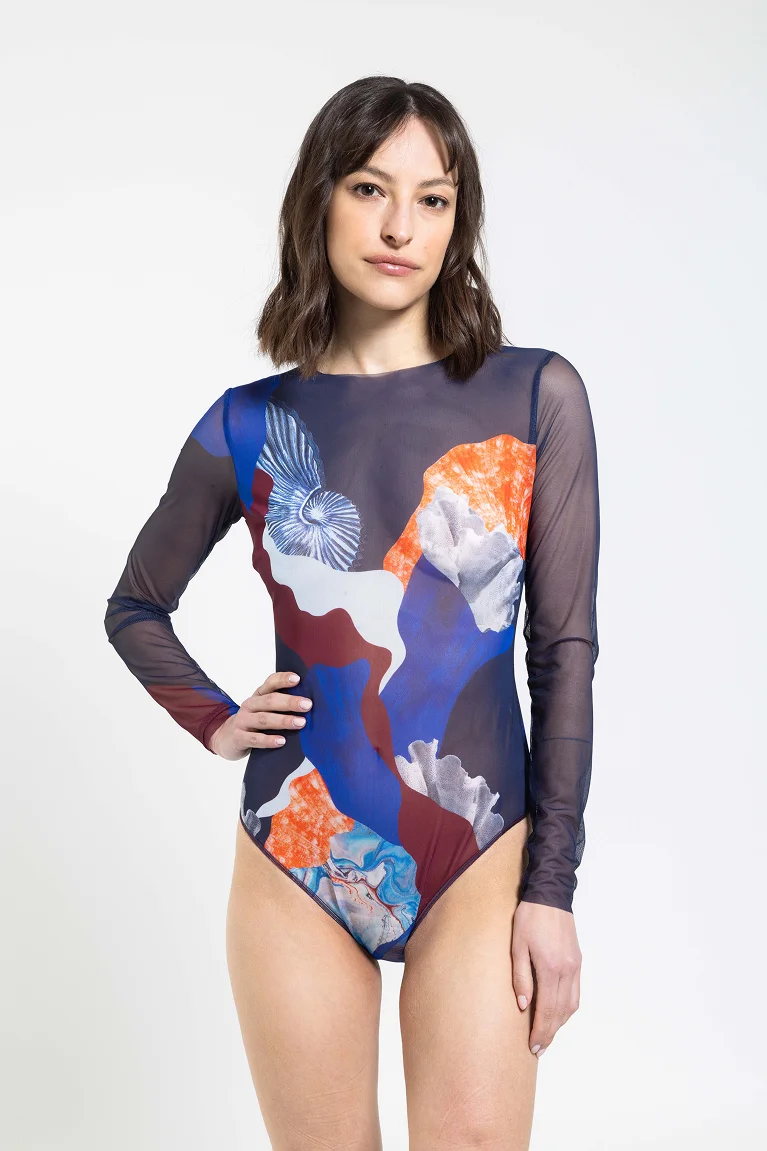
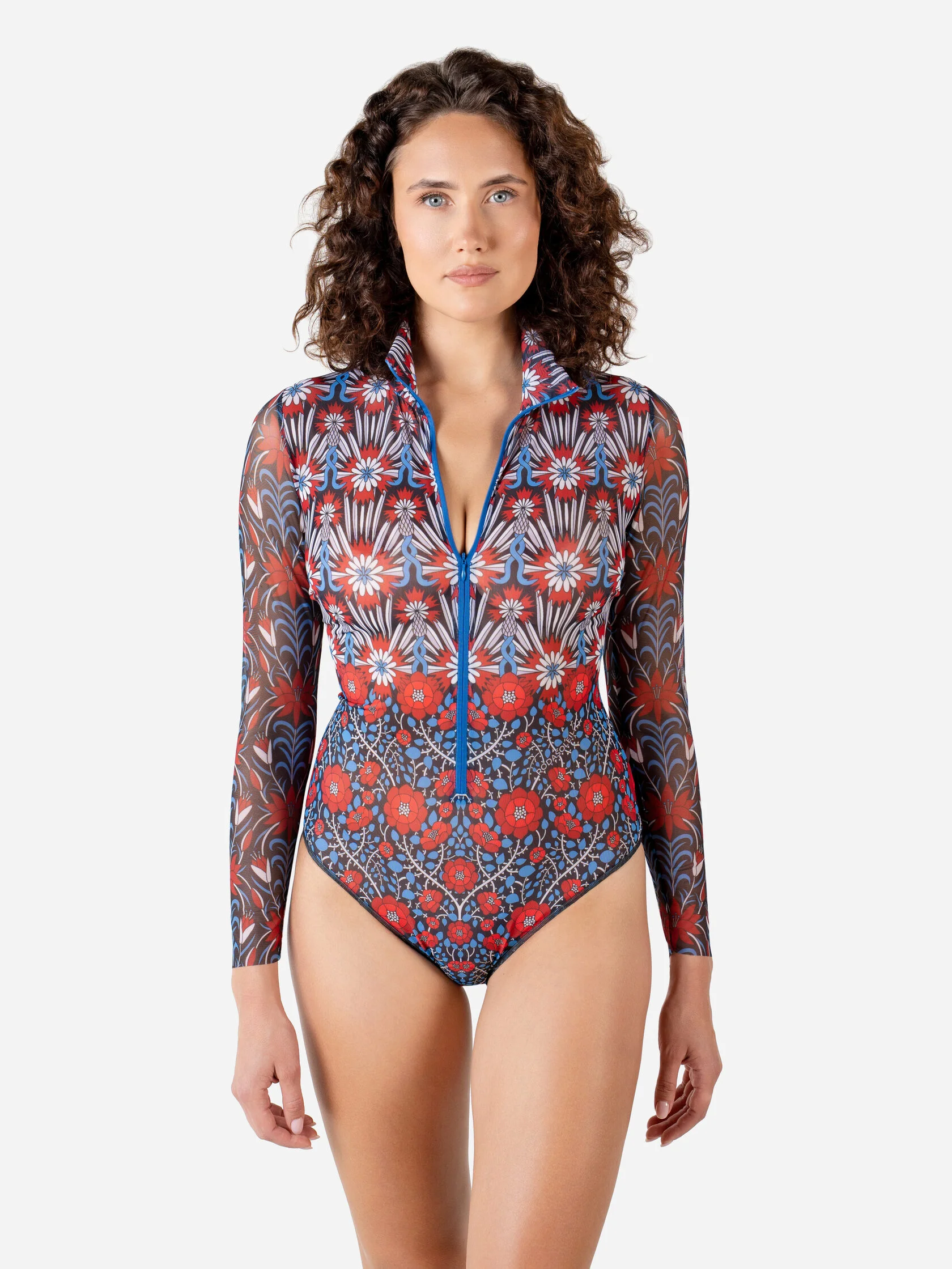
Swimwear technology has moved well beyond basic Lycra blends, and one of the more interesting examples of this shift is the Tan Through Swimwear category — fabric engineered around the idea of filtering light rather than simply blocking it out.
Brands like RoDa have built their approach around a combination of two things: the micro-porous structure of the fabric itself and the specific properties of the thread used to weave it. Together, these two factors let the material partially reflect ultraviolet light, allow through only a controlled, reduced amount, and scatter the light further as the fabric moves against the body. The result is a filtering effect roughly comparable to a moderate level of everyday sun exposure protection, while still letting the skin develop a soft, even tan rather than blocking color entirely — which is the whole point of the tan-through category in the first place. The exact engineering of the thread and its treatment is proprietary and isn't disclosed publicly.
This is a meaningfully different approach from classic tightly-woven fabrics that block light outright. Instead of excluding UV exposure altogether, the fabric is designed to soften and moderate it — transforming the interaction with sunlight rather than eliminating it.
Built-in shaping. Beyond the light-filtering function, this kind of fabric tends to have real structural benefits too. Its elasticity, density, and stretch behave a lot like shapewear: gently supporting the silhouette, visually smoothing the body's lines, and giving a sense of hold and comfort while moving — a genuinely useful bonus for anyone who wants a bit of built-in support without a separate compression layer.
An effect that doesn't wash off. Because the filtering comes from the fabric and thread structure itself rather than a topical layer, it holds up for the life of the garment (with normal care) and isn't affected by water, sweat, or humidity — unlike a cream or lotion, it doesn't need to be reapplied throughout the day.
Design solving for transparency. A fabric built around controlled light permeability is, by nature, more sheer than typical swimwear. Brands in this space typically lean on original prints to create a visually dense surface, balancing openness with a sense of privacy — turning what could be a technical drawback into a deliberate design language.
Sustainability angle. Several tan-through brands, RoDa included, produce their beachwear from recycled materials, which cuts down on the environmental footprint compared to conventional textile manufacturing. There's a secondary environmental benefit too: less reliance on reapplying chemical sun creams throughout the day means fewer of those chemical filters ultimately washing off into the ocean — a meaningful factor given how much sunscreen residue ends up affecting coral reefs and marine life every year.
A few practical notes. This type of fabric offers a filtering effect broadly comparable to a moderate everyday level, and can help reduce the risk of sunburn when paired with sensible sun habits — but any exposed skin (face, hands, feet) still needs its own care, and people with sensitive skin should limit direct sun time and check with a doctor if needed. Kids' lines from these brands generally offer a similar moderate level of filtering suitable for longer outdoor time under normal guidelines, while companion beach t-shirts tend to offer a lighter degree of filtering, roughly in the range of a low-to-moderate everyday level.
For plus-size shoppers, this kind of fabric technology pairs especially well with the fit principles above: the built-in shaping effect means the material itself is doing some of the smoothing work that ruching and power-mesh linings do in traditional suits, on top of the tanning and design benefits.
As with any fast-evolving category, it's worth reading a brand's specific claims carefully — filtering-based fabric, sensor-based smart textiles, and traditional sun-blocking fabric are three different things solving three different problems, and it pays to know which one you're actually buying.
An effect that doesn't wash off. Because the filtering comes from the fabric and thread structure itself rather than a topical layer, it holds up for the life of the garment (with normal care) and isn't affected by water, sweat, or humidity — unlike a cream or lotion, it doesn't need to be reapplied throughout the day.
Design solving for transparency. A fabric built around controlled light permeability is, by nature, more sheer than typical swimwear. Brands in this space typically lean on original prints to create a visually dense surface, balancing openness with a sense of privacy — turning what could be a technical drawback into a deliberate design language.
Sustainability angle. Several tan-through brands, RoDa included, produce their beachwear from recycled materials, which cuts down on the environmental footprint compared to conventional textile manufacturing. There's a secondary environmental benefit too: less reliance on reapplying chemical sun creams throughout the day means fewer of those chemical filters ultimately washing off into the ocean — a meaningful factor given how much sunscreen residue ends up affecting coral reefs and marine life every year.
A few practical notes. This type of fabric offers a filtering effect broadly comparable to a moderate everyday level, and can help reduce the risk of sunburn when paired with sensible sun habits — but any exposed skin (face, hands, feet) still needs its own care, and people with sensitive skin should limit direct sun time and check with a doctor if needed. Kids' lines from these brands generally offer a similar moderate level of filtering suitable for longer outdoor time under normal guidelines, while companion beach t-shirts tend to offer a lighter degree of filtering, roughly in the range of a low-to-moderate everyday level.
For plus-size shoppers, this kind of fabric technology pairs especially well with the fit principles above: the built-in shaping effect means the material itself is doing some of the smoothing work that ruching and power-mesh linings do in traditional suits, on top of the tanning and design benefits.
As with any fast-evolving category, it's worth reading a brand's specific claims carefully — filtering-based fabric, sensor-based smart textiles, and traditional sun-blocking fabric are three different things solving three different problems, and it pays to know which one you're actually buying.
Remember: Confidence Is Part of the Fit
At the end of the day, the "perfect" swimsuit is the one you feel good in, not the one that checks every styling box. Fit, fabric, and color are tools to work with your body, not instructions to hide it. Try a few different styles, pay attention to how a suit feels when you actually move in it, and trust the one that makes you want to walk straight to the water without a second thought.
Special offer
Ready for the perfect tan? Choose the smart RoDaSoleil swimsuit.
Get a more even tan without white marks from your swimsuit and enjoy comfort on the beach, by the pool, and while relaxing.
— Innovative tanning technology through fabric
— Quick drying after swimming
— Comfortable fit and high-quality materials
— Wide selection of smart swimsuits
— Quick drying after swimming
— Comfortable fit and high-quality materials
— Wide selection of smart swimsuits