

0



I am ready for a long road flight for work with a week- or months-long projects.
What Is Tan Through Swimwear and How Does It Work?
- What Is Tan Through Swimwear
- How the Fabric Works
- How This Differs
- The Tanning Mechanism
- Beyond Tanning
- How Long Does the Effect Last
- Sheerness, Prints, and Design
- Sustainability and Environmental Impact
- What Level of Protection
- Kids' Tan Through Swimwear
- How Is This Tested
- A Different Relationship With the Sun
This article breaks down what Tan Through swimwear actually is, the textile science behind it, and how it compares to conventional fabrics that block UV rays outright.
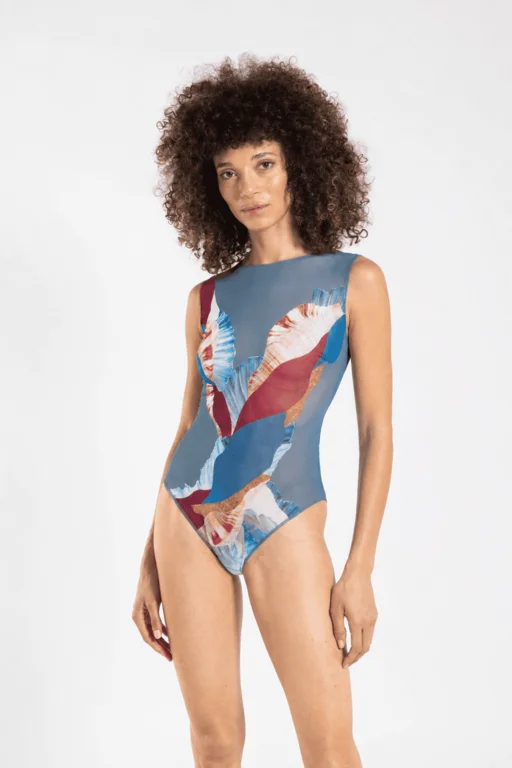
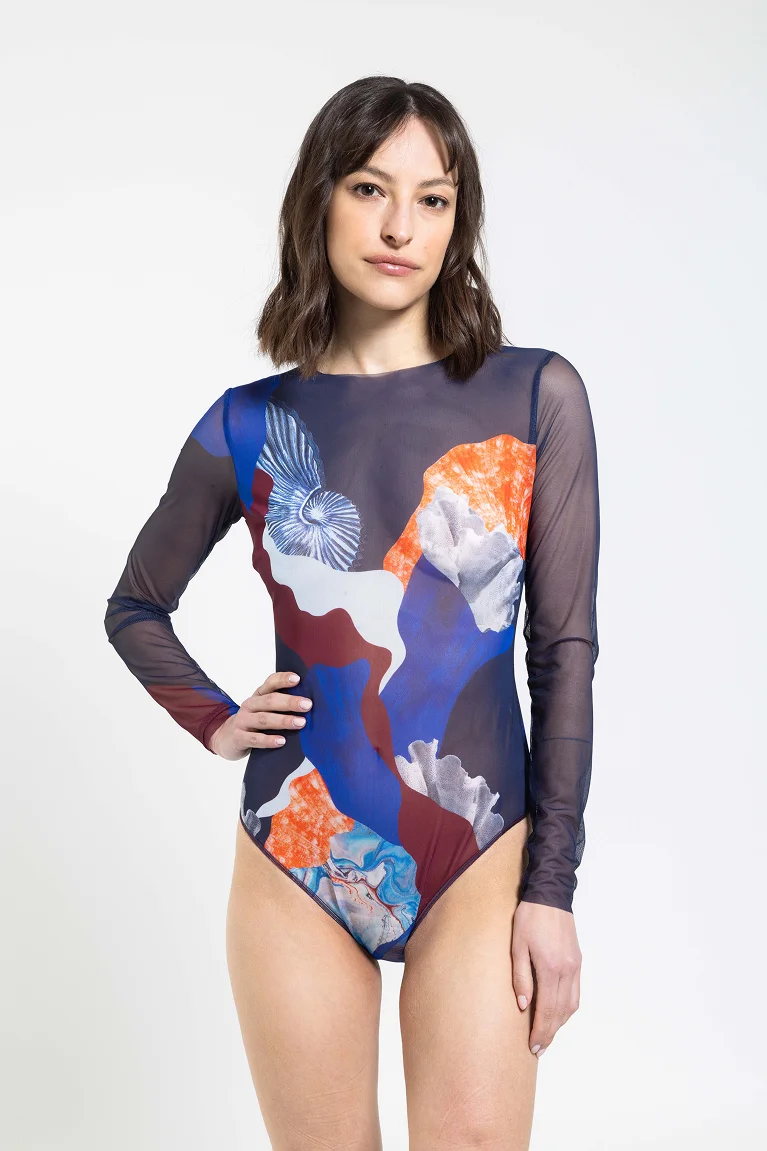
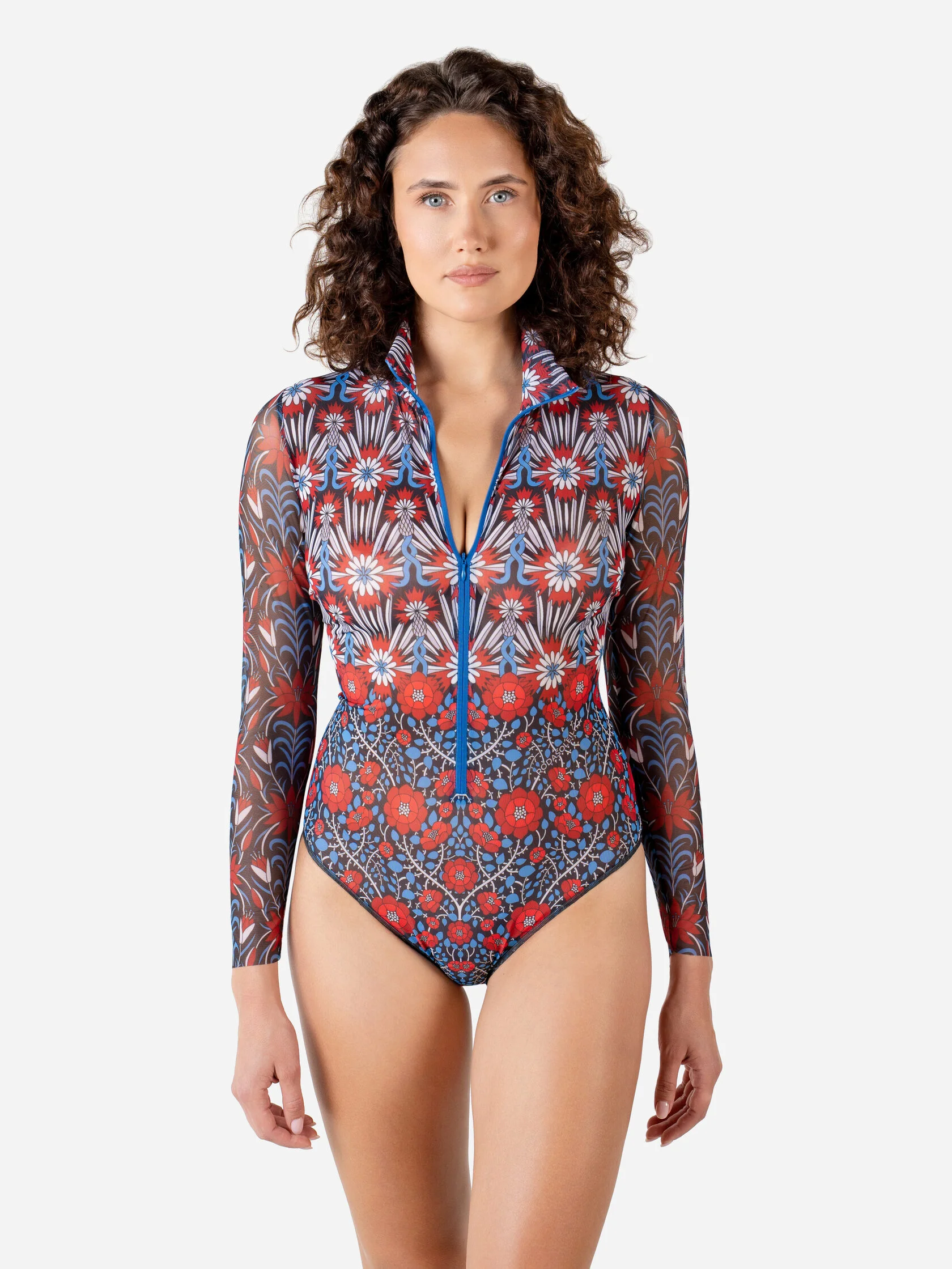
What Is Tan Through Swimwear
Tan Through swimwear is built from fabric engineered to let a controlled portion of UV light pass through to the skin rather than stopping it completely. Instead of forming a dense barrier, the material is constructed with a micro-porous structure combined with specially treated yarn, so light is partially filtered, partially reflected, and scattered as the fabric moves against the body.
The result is a garment that still offers a protective effect — comparable to a moderate SPF level — while allowing the skin underneath to develop a soft, even tan. It's a fundamentally different approach from fabric designed purely to block ultraviolet exposure.
The result is a garment that still offers a protective effect — comparable to a moderate SPF level — while allowing the skin underneath to develop a soft, even tan. It's a fundamentally different approach from fabric designed purely to block ultraviolet exposure.
How the Fabric Works: Micropores and Yarn Engineering

The core of the technology lies in two combined factors: the geometry of the fabric's micropores and the physical properties of the yarn itself.
Together, these elements allow the material to:
- partially reflect ultraviolet radiation away from the skin,
- let a reduced, controlled amount of UV light pass through,
- diffuse and redistribute light as the fabric shifts and moves with the body.
How This Differs From Classic UV-Blocking Fabric
Traditional UV-blocking textiles work by tight, dense weaving that stops ultraviolet light from penetrating the material almost entirely. Tan Through fabric takes the opposite engineering approach: instead of full exclusion, it's built around the principle of dosed permeability.
Rather than eliminating sun exposure, the fabric transforms it — softening the intensity of UV rays and adapting them to the skin, rather than blocking them outright. Light still passes through, but as a filtered, gentler version of direct sun exposure.
Rather than eliminating sun exposure, the fabric transforms it — softening the intensity of UV rays and adapting them to the skin, rather than blocking them outright. Light still passes through, but as a filtered, gentler version of direct sun exposure.



The Tanning Mechanism
Tanning is a natural skin response to UV exposure, and it still occurs in Tan Through fabric — but its intensity is moderated. Because the material only transmits part of the UV spectrum, exposure becomes less aggressive, which supports a more gradual, even tan compared to sunbathing with fully exposed skin.
Beyond Tanning: The Shaping Effect
The same structural properties that filter light also give the fabric a secondary function: body shaping. Thanks to its elasticity, density, and stretch, the material performs similarly to structured shapewear —
- gently supporting the silhouette,
- visually smoothing the body's lines,
- creating a comfortable, "held-together" feel during movement.
How Long Does the Effect Last?
Unlike sunscreen, the protective effect of Tan Through fabric doesn't wash off, sweat off, or fade with water exposure. It lasts for the lifetime of the garment, provided basic care instructions are followed — meaning there's no need to reapply anything mid-swim or after a dip in the pool.
This also meaningfully reduces reliance on chemical sun creams throughout the day.
This also meaningfully reduces reliance on chemical sun creams throughout the day.
Sheerness, Prints, and Design
A fabric this permeable to light is, by nature, somewhat sheer — and that's where design comes in. Original prints are used to build a visually dense surface pattern, striking a balance between openness and privacy without compromising the fabric's core technology. The interplay between engineering and print design is central to how these garments look and feel on the body.
Sustainability and Environmental Impact

Tan Through swimwear lines are frequently produced using recycled materials, cutting down on the environmental footprint compared to conventional textile manufacturing.
There's a secondary environmental benefit as well: because the fabric reduces how often sunscreen needs to be reapplied, it can lower the amount of chemical UV filters that end up in the ocean. Industry estimates suggest thousands of tons of sunscreen wash into the sea each year, contributing to coral reef damage and harm to marine life. Less reapplication, in theory, means less chemical runoff.
What Level of Protection Should You Expect?
Tan Through garments typically offer a protective effect comparable to a moderate SPF level, which can help reduce the risk of sunburn when combined with sensible sun exposure habits.
A few practical notes:
A few practical notes:
- Exposed skin still needs its own protection. Areas not covered by the fabric — face, hands, shoulders if not covered — require separate sun care.
- Sensitive skin should be cautious. Limiting overall sun exposure time and consulting a physician is advisable for those with sensitive skin.
- This is a moderate, not maximum, level of protection. It's designed for a softened sun experience, not for eliminating UV exposure entirely.
Kids' Tan Through Swimwear
Children's swimwear built with the same technology offers a similar moderate protective effect and is suitable for longer periods outdoors when general sun-exposure guidelines are followed. Beach t-shirts made with lighter fabric weights offer a lighter degree of protection, roughly comparable to SPF 15–20.
How Is This Tested?
The effectiveness of the fabric and yarn is assessed through internal development protocols, involving participants with a range of skin phototypes. Testing typically evaluates:
- how the material behaves under sun and water exposure,
- subjective and objective wearer comfort,
- skin response during extended wear.

A Different Relationship With the Sun
Sometimes innovation isn't something you can see — it's something you feel. Tan Through swimwear works on that level: fabric and yarn acting as a filter rather than a barrier. Light still gets through, but softer. The tan comes out more even. The contact with the sun feels less harsh.
The silhouette isn't forced — it's gathered, the way well-made shapewear moves with the body rather than against it. And the sheerness stays intentional: prints hold the balance between openness and privacy, turning the fabric's surface into something closer to an optical illusion than a simple see-through material.
Perhaps the most meaningful part is what happens outside the garment itself — less cream on the skin means less residue in the water. A simple logic where aesthetics quietly becomes ecology.
Tan Through swimwear doesn't protect from the sun in the conventional sense. It offers a different relationship with it altogether.
The silhouette isn't forced — it's gathered, the way well-made shapewear moves with the body rather than against it. And the sheerness stays intentional: prints hold the balance between openness and privacy, turning the fabric's surface into something closer to an optical illusion than a simple see-through material.
Perhaps the most meaningful part is what happens outside the garment itself — less cream on the skin means less residue in the water. A simple logic where aesthetics quietly becomes ecology.
Tan Through swimwear doesn't protect from the sun in the conventional sense. It offers a different relationship with it altogether.
Special offer
Ready for the perfect tan? Choose the smart RoDaSoleil swimsuit.
Get a more even tan without white marks from your swimsuit and enjoy comfort on the beach, by the pool, and while relaxing.
— Innovative tanning technology through fabric
— Quick drying after swimming
— Comfortable fit and high-quality materials
— Wide selection of smart swimsuits
— Quick drying after swimming
— Comfortable fit and high-quality materials
— Wide selection of smart swimsuits